
Being human in the Age of AI
As AI gets better at acting human, isn't it our turn to get better at being human?
2/19/20262 min read
Empathy in a Tech-Driven World
We live in an era where technology can perform tasks that once required a human, sparking a curious debate: are we losing the human connection and empathy as we embrace perfectionism through technology?
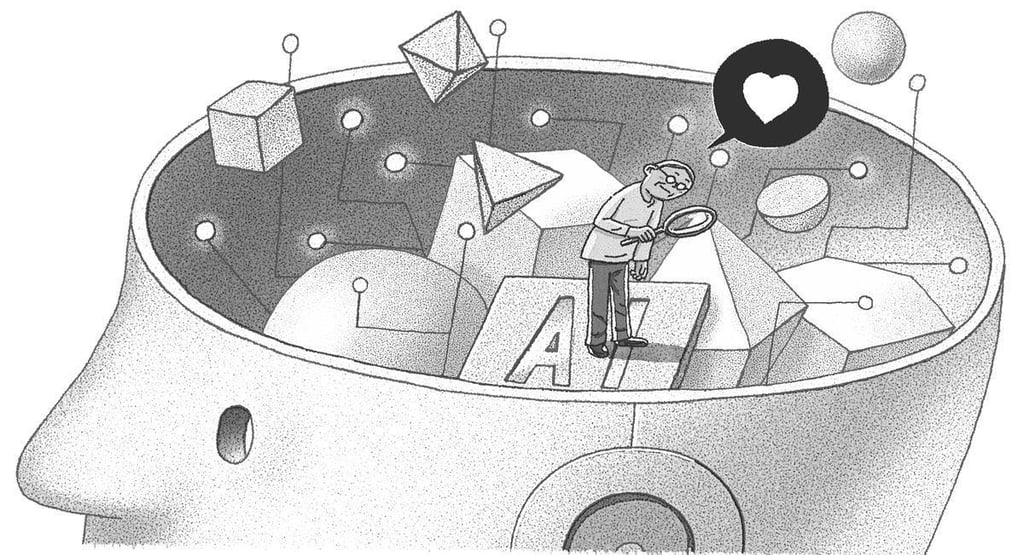
In a tech driven world where AI can recommend the perfect message, post, or song, empathy can start to feel like an optional add-on instead of a core feature. The quiet challenge now, isn’t keeping up with the innovation — it’s holding on to what makes us human. Amid constant connectivity and digital convenience, real connection risks becoming background noise instead of everyday habits. Nothing can replace the warmth of being truly seen and understood.
Showing empathy in the AI world is like a reminder to ourselves that while technology can process information, only humans can truly understand feelings — and that difference is what keeps our connections grounded in the heart.
Amidst personalized learning apps, and constant digital stimulation, our children's inner world is still shaped by the same classic needs — to feel seen, valued, and emotionally safe. Technology may help them solve their academic doubts faster, but it doesn’t always help them process disappointment, bullying, social pressure, comparison, or uncertainty etc. It's in those emotional moments when we lean in and try to understand their feelings and opinions that they learn about human connection.
Real connection, not just contact
We have more ways to communicate than ever, yet loneliness is rising. Why? Because connection isn’t measured in messages — it’s measured in presence. Try asking one follow-up question when someone talks, try asking curious questions around the message someone sends instead of an emoji, try asking one question related to what your child shares/ shows you, try sharing one small story from your day with your family - these are tiny habits signalling something powerful: "You matter enough for my full attention"
Empathy grows through exposure to different perspectives. Teens can read stories, watch films thoughtfully, or simply listen to a friend without rushing to fix things. Parents can encourage curiosity instead of judgment: “What do you think they might be feeling?” This shifts conversations from right vs. wrong to understanding vs. reacting.
Ultimately, the goal isn't to choose between AI and our humanity but to get creative around how they can coexist. Embracing our flaws, accepting ourselves, and acknowledging the messiness of life can lead us to innovative ideas and better human connections.
AI can assist thinking, but humans create meaning?
Technology will keep evolving, but our need for belonging, understanding, and love won’t change. The goal isn’t to compete with machines — it’s to double down on what they can’t replicate: compassion, curiosity, and connection.
Being an empathetic parent in a tech-driven age is about being that steady human presence in our kids' otherwise rapidly changing environment. As technology shapes how they learn, play, and connect, empathy from parents (messiness included!!) becomes the current generation's emotional anchor; thus, helping them grow not just digitally capable, but emotionally confident and resilient.
Reach out to parentingkarma for guidance and support tailored to your family's needs.
parentingkarma@gmail.com
© 2026. All rights reserved.