
Rethinking Teen Behaviour - The Myth of “Do as You Please”
This is Part 1 of a 3-part series on Rethinking Teen Behaviour. What do we really mean when we say we want to raise “independent” children? Is it just no control? In trying to raise independent children, we sometimes move so far away from structure… that something important begins to slip through.
6/16/20262 min read
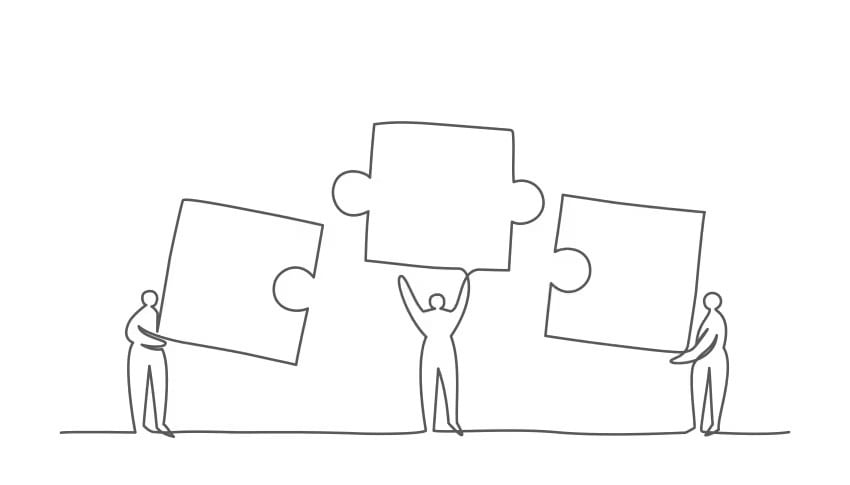
In recent years, “freedom” has become a central idea in how we raise children—especially teenagers. We want them to think independently, express themselves, and make their own choices. Many of us consciously move away from rigid, authoritarian parenting styles toward something more democratic.
But somewhere along the way, an important question emerges:
Does democracy mean the freedom to do as one pleases?
Because if it does, why do so many parents feel like they’re losing connection, authority, and mutual respect with their teens?
True democracy is not the absence of rules. It is the presence of shared responsibility, mutual respect, and thoughtful boundaries.
In society, democracy works because there are systems, laws, and consequences. There is freedom—but within a framework that protects everyone.
Parenting is no different.
When children grow up without clear structure, what they experience is not freedom—it is uncertainty. They don’t feel empowered. They feel overwhelmed. Without structure and boundaries, teens are left navigating big emotions with no map. And uncertainty often shows up as resistance and anxiousness resulting in disrespectful behaviour.
The Role of Boundaries
Teens may push against rules, but that doesn’t mean they don’t need them.
Boundaries create predictability, provide emotional safety and leads to trust. And when parents hesitate to set limits in the name of “freedom,” teens may interpret that lack of guidance as abandonment. Boundaries when done respectfully, also serve as a model on how relationships function.
Are Teens Disrespectful—or Reflecting Their Environment?
Respect is not taught through instruction—it is absorbed through experience. Communication, learning to handle conflict, respectfully disagreeing, managing frustration – are all skills to be learnt – from the adults in their environment.
If teens are spoken to harshly, dismissed, controlled or feel unheard or misunderstood, they may respond with withdrawal, rebellion, or disrespectful language - not because they lack values—but because they are responding to what feels like disrespect to them, from their environment. Teens are highly perceptive. They are less influenced by rules and more by relational experiences.
Democracy in Parenting
Healthy parenting is not authoritarian, and it is not permissive.
It is authoritative—a balance of:
Clear expectations
Consistent boundaries
Emotional connection
Space for dialogue
In this space:
Teens feel heard, but not in charge of everything
Parents lead, but not through control
Rules exist, but can be discussed
This is democracy in parenting. When conversations are open and not dismissed, then respect need not be enforced – it is co-created.
Democracy in parenting does not mean stepping back completely. It means stepping in differently.
Freedom works because of structure—not in the absence of it. And teen behaviour is often not a problem to fix—but a message to understand.
But even when we try to implement boundaries and modelling, there are moments that test us deeply—especially when our teens speak or behave in ways that feel disrespectful. What do we do then? Let's explore in Part 2 of this 3-Part series on Rethinking Teen Behaviour.
Reach out to parentingkarma for guidance and support tailored to your family's needs.
parentingkarma@gmail.com
© 2026. All rights reserved.
Check out: